The history of blasphemy in writing
The August 12 assault on Salman Rushdie was almost certainly prompted by his “blasphemy.” In 1989, the Ayatollah Khomeini took a dislike to Rushdie’s The Satanic Verses, called it blasphemy, and put a bounty on Rushdie and his publishers. Rushdie went into hiding for years, the book’s Japanese translator was murdered, and the Italian translator was stabbed. 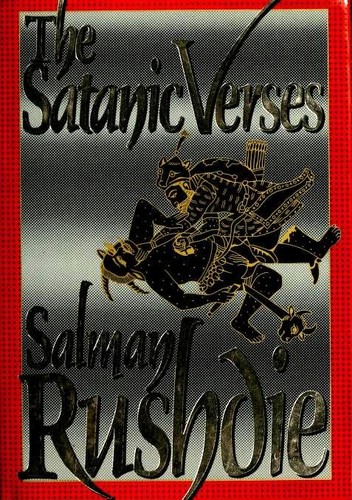
Writing about controversial subjects has always attracted anger and violence, and religion is one of the most controversial. Many governments with state religions have imposed severe penalties for blasphemy. Leviticus 24:16 says, “And he that blasphemeth the name of the Lord, he shall surely be put to death, and all the congregation shall certainly stone him: as well the stranger, as he that is born in the land, when he blasphemeth the name of the Lord, shall be put to death.” The most famous blasphemy execution in history was the one of Jesus of Nazareth. For his part, Jesus said that blasphemy against the Holy Spirit is the one unforgivable sin.
In modern times, several countries, mostly Muslim, have laws against blasphemy, sometimes carrying the death penalty. In Pakistan, mobs have murdered alleged blasphemers. Even the supposedly civilized country of Austria has a blasphemy law, and several people have been convicted under it. The European Court of “Human Rights” says that such laws are fine. So much for freedom of religion. Germany has a law that can get someone who “through dissemination of written materials (section 11(3)) defames the religion or ideology of others” locked up for three years.