New article on Beethoven
My first article on the Online Library of Liberty has been published!
Fidelio: Beethoven’s Hymn to Freedom
My first article on the Online Library of Liberty has been published!
Fidelio: Beethoven’s Hymn to Freedom
Some employees of a huge corporation demanded it should decide which books are acceptable for customers. They engaged in what’s called a “die-in,” which consists of lying on the ground while issuing demands. They demanded that Amazon decide which books it approves of and not make others available to customers.
This is small stuff, but it’s weird that anyone would demand that a mega-corporation which is the world’s largest bookseller should have an Index of Prohibited Books that it won’t sell. The protesters fantasize that they’ll get to call the shots. They imagine that they’ll decide what’s on the Index; probably they all think they’ll be promoted to the new position that compiles the Index.
(more…)
This past weekend saw an unusual event in science fiction fandom. The con chair of Balticon apologized for the convention’s treatment of a guest, removing her from a panel in progress. This follows the blowback SFWA received for removing Mercedes Lackey from the Nebula conference after naming her a Grand Master. Could the era of bullying of convention volunteers and program participants be coming to an end?
(more…)
People in the United States enjoy some of the strongest legal protections on their speech and writing in the world. Saying some things is illegal, though, and others open you to getting sued. There’s a lot of misinformation around on what is and isn’t considered free speech. Here’s a quick rundown of some common claims. 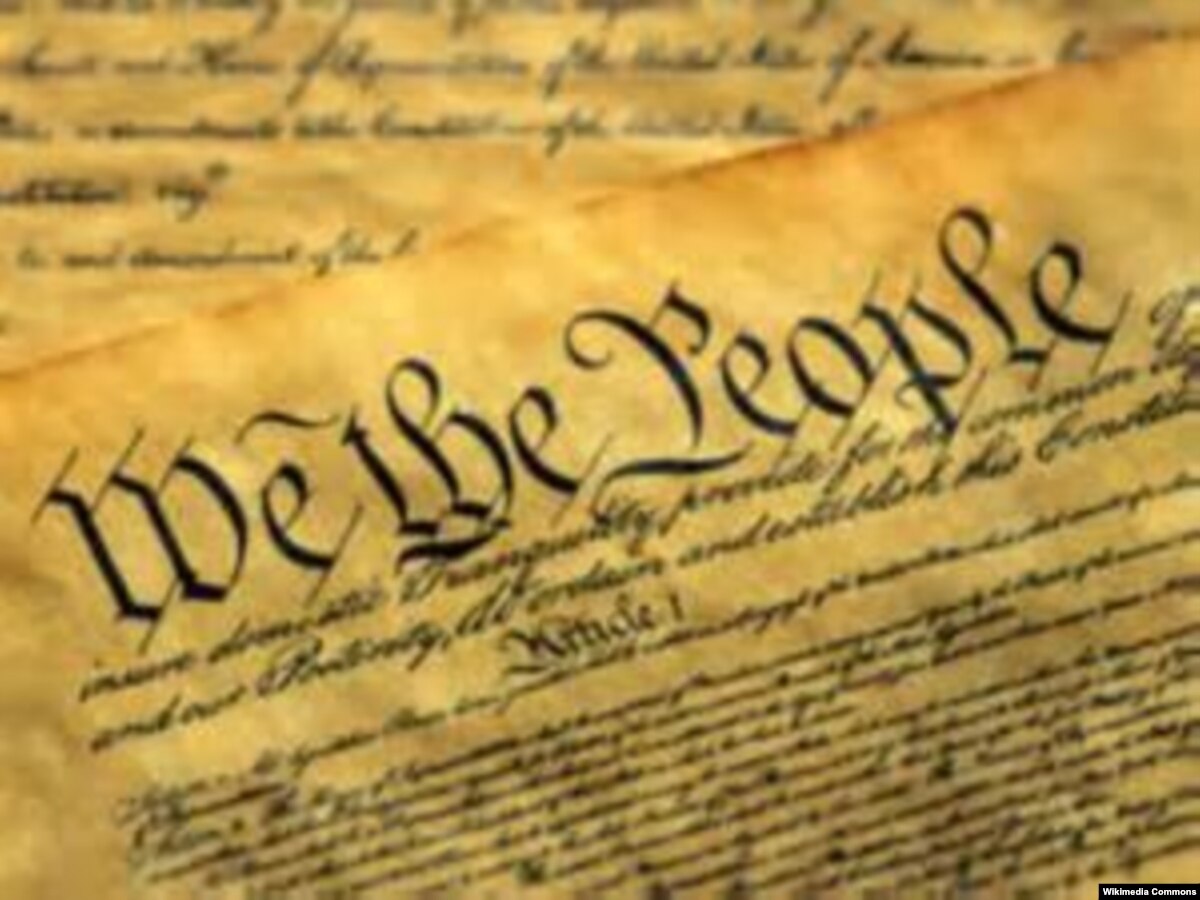
Standard disclaimer: This isn’t legal advice. It’s my best understanding. See a lawyer when in doubt. In some cases, I’ve cited court cases you can look up and study.
(more…)
Science Fiction and Fantasy Writers of America (SFWA) named Mercedes Lackey a Grand Master at the Nebula Awards ceremony, then almost immediately turned around and removed her from the Nebula Conference. The stated reason was that she “used a racial slur” while on a panel.
English has long had taboo words. At one time, the strongest ones dealt with religion. Later on, ones relating to bodily functions headed the list. It’s still illegal to tell people on broadcast television what the Supreme Court’s seven dirty words are. How do you avoid breaking the law when you can’t be told what the law forbids?
The Lackey situation is similar. The File 770 article doesn’t tell us what the alleged racial slur was. Readers are likely to imagine the worst words possible (which I won’t mention, since they may lower my search engine visibility). In fact, the word she used was “colored.” If that’s a slur, then the NAACP commits it every time it gives its full name, National Association for the Advancement of Colored People.
(more…)