The Sanity Project


R. L. Stine: Bowdlerization without consent

While I’m on a roll with articles on recent bowdlerization, let’s take a look at R. L. Stine. I’d heard that his publisher had made changes to improve supposedly offensive passages in his Goosebumps series but assumed that he had made them himself or at least consented to them. According to Stine, he wasn’t even informed of the changes till after the fact.

Book contracts almost always let the publisher edit the book, and the language is vague on how much they can change. The publisher, Scholastic, was probably within its legal rights, especially since I haven’t seen Stine say otherwise. Past reissues have included minor changes in wording that didn’t affect the meaning. Still, making significant changes to a book by a living author after it’s been in print for a long time, without telling the author, is unusual and arrogant.
(more…)
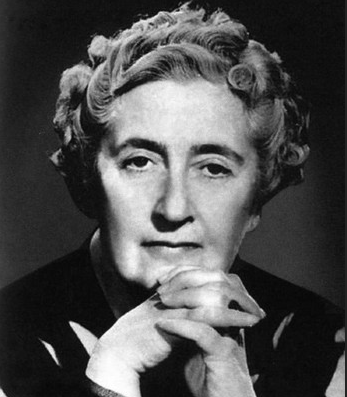

The latest bowdlerization target: Agatha Christie

The bowdlerizers won’t stop. The latest is HarperCollins, which has cut words like “black” and “native” out of Hercule Poirot and Miss Marple novels because they offend a mysterious group they call “modern audiences.” The majority of today’s readers aren’t “modern audiences” by that measure. Agatha Christie

If it were only a matter of replacing words that have come to be considered offensive with other words, it wouldn’t be so much of an issue. Old books are sometimes modernized to replace obsolescent words with more understandable ones, and this wouldn’t be much different. But at least part of the goal seems to be to eliminate any nastiness in the characters. HarperCollins has said, “Sections of dialogue uttered by often unsympathetic characters within the mysteries have also been cut.” The article mentions the updating of some lines by Mrs. Allerton in Death on the Nile. In the original, she says, “they come back and stare, and stare, and their eyes are simply disgusting, and so are their noses, and I don’t believe I really like children.” In the expurgated edition, she says only, “They come back and stare, and stare. And I don’t believe I really like children.” That’s not a matter of offensive words, but an offensive character.

Are HarperCollins’ sensitivity readers aware that every Agatha Christie mystery novel includes at least one murderer in its characters? Murder mysteries necessarily include nasty characters, and there need to be nasty ones besides the murderer in order to keep the reader guessing. In the first half of the twentieth century, it wasn’t unusual to judge people by their eyes and noses. Pretending otherwise does no good.
(more…)


“Hate speech”: an anti-concept

The first time I ran into the term “hate speech” was on a mainstream political site that assured the reader that it was not advocating censorship but linked prominently to a site whose title was “Hate speech is not free speech.” From its beginning, “hate speech” has been what Ayn Rand called an “anti-concept,” a term that doesn’t define a category with specific characteristics but serves to obscure the speaker’s intent. The term is and has always been a call for censorship.

Hatred is an emotion and can be good or bad. Hating tyranny and deadly diseases is good. Hating people for their sexual preferences or skin tones is bad. Either way, it isn’t really the emotion that matters; it’s what people do and say. What’s actually wrong is spreading falsehoods, uttering gratuitous insults, using appearance as a proxy for character, making threats, and suppressing people with discriminatory laws and violence.

“Hate speech” doesn’t mean speech expressing hatred. In practice, it means “speech I hate” or “speech I want banned.” Saying “I hate spinach” or even “Fuck J.K. Rowling” isn’t considered hate speech. Grossly insulting everyone who registers Republican isn’t hate speech. However, I’ve seen claims that drawing a picture of Muhammad and saying “there are no atheists in foxholes” are hate speech.
(more…)


More bowdlerization — this time, in educational materials

The sanitized version of Roald Dahl’s books removed a reference to black tractors, apparently because it was deemed racially offensive. That’s problematic, but wiping relevant racial information out of factual material is much worse. An educational pamphlet produced by Studies Weekly was revised to omit any reference to racial issues in a capsule discussion of Rosa Parks.

The revised text says: “Rosa Parks showed courage. One day, she rode the bus. She was told to move to a different seat. She did not. She did what she believed was right.” There’s no mention of why she was told to move. A child reading that today might think she had sat in a seat reserved for handicapped passengers.
(more…)


The WordPress ActivityPub plugin

The ActivityPub protocol, best known as a key element of Mastodon, is catching on for multiple uses. There’s an ActivityPub plugin for WordPress, which makes a site’s feed available through ActivityPub. When you add it to your site, people with Mastodon accounts can use them to read your blog. (Some Mastodon sites put limitations on reading long posts.)

The current version is in beta and has limitations. The WordPress site has to be in your root directory. Because of the way I set this site up a long time ago, that locks me out. But recently Automattic, the company behind WordPress.com, has taken over development of the plugin. The result should be faster development and fewer limitations. Matthias Pfefferle, the plugin’s developer, will continue to work on it (and hopefully get better paid for it).
(more…)