Book discussion: Toscanini: Musician of Conscience Recently updated !
Toscanini: Musician of Conscience was a huge reading project but worth it. It covers the long career of one of the most important orchestra conductors, the man who conducted the premiere of Pagliacci in 1892 and lived long enough to make long-playing records. He was a celebrity in Europe and the Americas and courageously stood up to Mussolini in his home country.
I must admit to skimming through parts of the book. His role in music and politics is most important to me, and I went quickly over parts dealing with his personal relations.
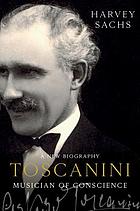 Toscanini was a top-rank conductor with an incredible memory, but I wouldn’t want to be a musician under him. He demanded the best from his musicians, and sometimes he could be extremely rude and unfair with them. On one occasion, he broke a violinist’s bow with his baton. At the same time, he recognized excellence.
In politics, if not at the podium, he was an enemy of tyranny. After a brief period of admiring Mussolini, he recognized that the would-be Duce was a brutal power-luster. In 1924 he refused an order to display Mussolini’s picture. On one occasion, when he refused to perform the Fascist anthem, a gang of Blackshirts beat him up as the police passively watched. In 1938 he left Italy and didn’t return until after World War II.
Sachs discusses his relationships with musicians who remained in Germany and Italy during the dictatorships. Withdrawing from the Bayreuth Festival was a painful decision for him. He condemned Wilhelm Furtwängler for continuing to lend his prestige to the Nazi government.
Sachs writes about an incredible number of affairs Toscanini had with women. He lets Toscanini look honorable for the most part, but I have to wonder. I didn’t see any mention of whether he ever got anyone pregnant; while he wasn’t an observant Catholic, he lived in a culture that was strongly hostile to abortion and even birth control. But as I said, I skimmed over those parts of the book, so I may have missed something.
My main complaint about the book is that its mentions of years are thin. I often had trouble figuring out in which year an event took place. That can be especially annoying if you’re using the book for reference.
This book isn’t a light weekend read, but it’s a fascinating look at an important musician and a courageous person. If you’re willing to commit the time, it’s an excellent book.