Monthly Archives: February 2022


Kyiv or Kiev?

With the Russian invasion of Ukraine (not “the Ukraine”) dominating the news, many of us have noticed for the first time that most reports now call its capital Kyiv rather than Kiev. I wondered when this shift happened and why, and exactly how the name should be pronounced.
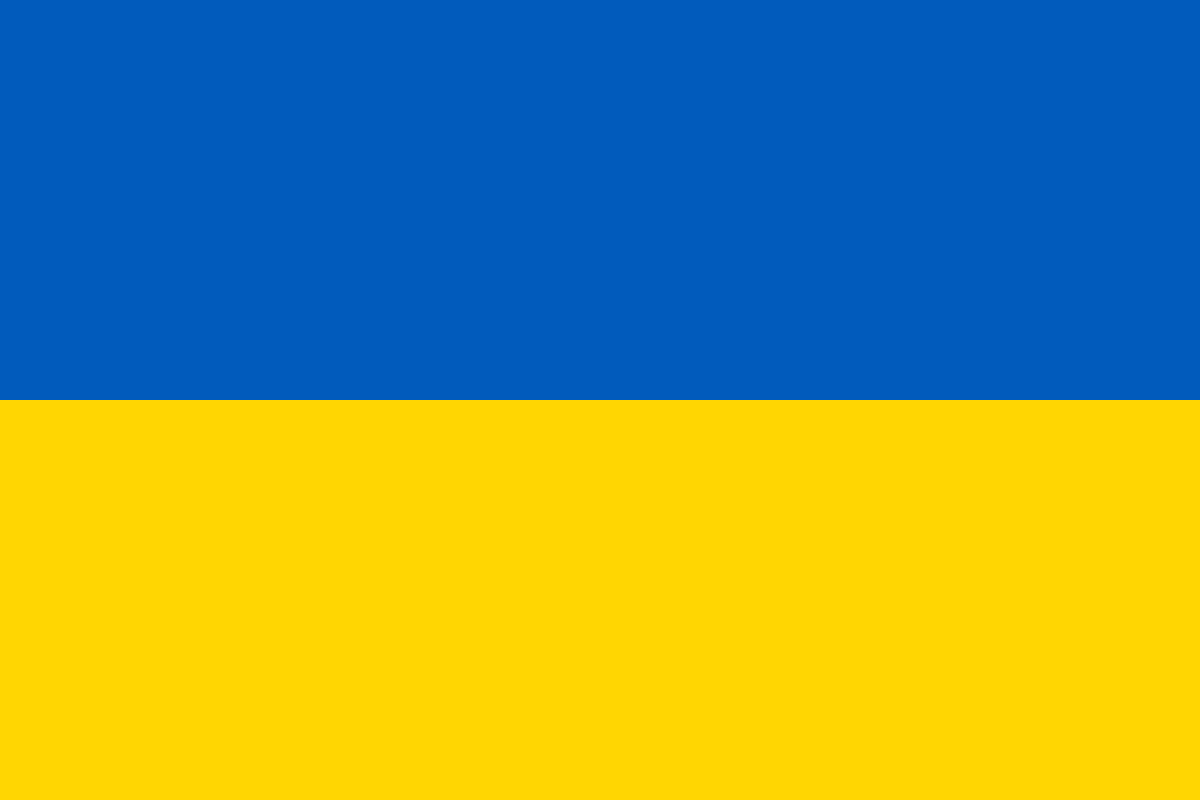
Ukraine flagKiev comes from the Russian name for the city, Kyiv from its Ukrainian name. Both Russian and Ukrainian use the Cyrillic alphabet, so any version of the name in the Roman alphabet is a transliteration. With the current situation, using “Kyiv” is especially satisfying, since it rejects Russia’s claim to the nation. (So far, thankfully, I haven’t seen any claims that criticizing Russia is “red scare racist.”) We can safely say it’s the new standard spelling. For similar reasons, we now talk about “Ukraine” rather than “the Ukraine.” The latter suggests a region rather than a nation. A few other countries have a definite article in front of their names, but they’re ones where the name is a phrase (e.g., “the Netherlands,” “the United States”).
(more…)


Writers: Know the tools of your trade

No one would try to be a carpenter without knowing how to use a hammer and saw. No one would claim to be a software developer without the ability to write syntactically correct code that (usually) does what it’s supposed to. But it’s astonishing how many people on writers’ forums show a basic lack of ability to use their language.

As a writer, you should understand spelling, verb tenses, sentence structure, agreement, and so on. You should have a good vocabulary and know what the right word is. You can break the rules when it’s appropriate, but you should know when you’re breaking them and why. You should know the difference between “rein” and “reign,” between “lose” and “loose.”

Grammar checkers won’t save a bad writer. The best of them are excessively nitpicking, ridiculously permissive, or both in turns. They’re valuable for catching mistakes, but you have to know which of their recommendations are valid.
(more…)


Emerson College: Criticizing China’s totalitarian regime is “hate”

This is a writing blog, not a blog on the China Worldcon, but I’ve been getting a bump in readership from the Worldcon articles, I’ve been talking about intimidation of China critics with vague claims of “racism,” and I just came upon a new outrage. Emerson College is apparently in the pocket of the Chinese government. It derecognized a chapter of Turning Point USA, a student organization. The organization had distributed stickers with the text “China kinda … sus.” That’s gamer slang for “suspicious.”

Emerson president William Gilligan, who seems like a typical academic tinpot dictator, has smeared the Turning Point chapter with a claim of “anti-China hate.” “Hate” is a wonderfully flexible word; in this case, it means criticism of an authoritarian state. If Gilligan is consistent (which I don’t expect he is), then he ought to regard kneeling during the playing of “The Star-Spangled Banner” as “anti-America hate.” Or maybe he just likes concentration camps.
(more…)


Prescriptivism vs. descriptivism

Attitudes toward changes in a language range between two poles. The prescriptivist says words have fixed definitions, and using them in ways that aren’t in the dictionary is misuse. The descriptivist says that words mean whatever people choose them to mean. Few people take a pure position at one end or the other. Prescriptivists face the fact that dictionaries change. Descriptivists can’t treat every neologism they hear as part of the language if they expect people to understand each other. The debate is over how much legitimacy a word needs before it’s considered standard. Words pass through the stage of slang or jargon before they reach full citizenship. Some words don’t go beyond that status, and they don’t have to. Professions need their jargon and subcultures need their slang, and they don’t have to impose it on the whole linguistic community.

Linguistic change isn’t something that a mysterious Sprachgeist causes. It’s the product of the users’ choices. Prescriptivists exert a drag on changes, and that can be good. If the language changes too fast, it becomes less precise. No one’s sure whether a word means what it always meant or it’s become something else. New words are necessary to convey new concepts, but they should prove their worth before getting wide adoption. Some words, like “nice,” have changed so many times that no one’s sure what they mean, except by context and tone of voice.
(more…)